


These super simple, extremely versatile salmon bowls are the kind of thing I love to make when I want a meal that tastes decadent, feels virtuous, and doesn’t take a lot of effort. In other words, salmon bowls are on the menu all the time at our house.
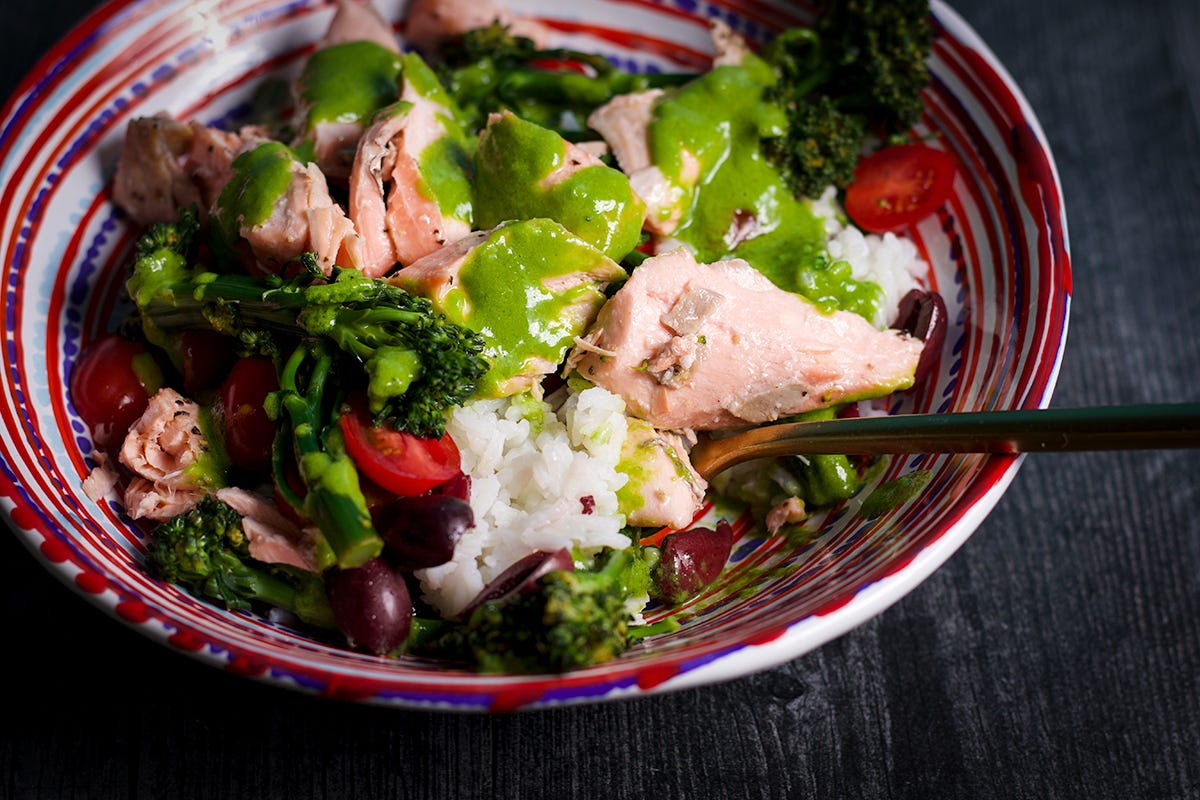
Rice + veggies + salmon + sauce
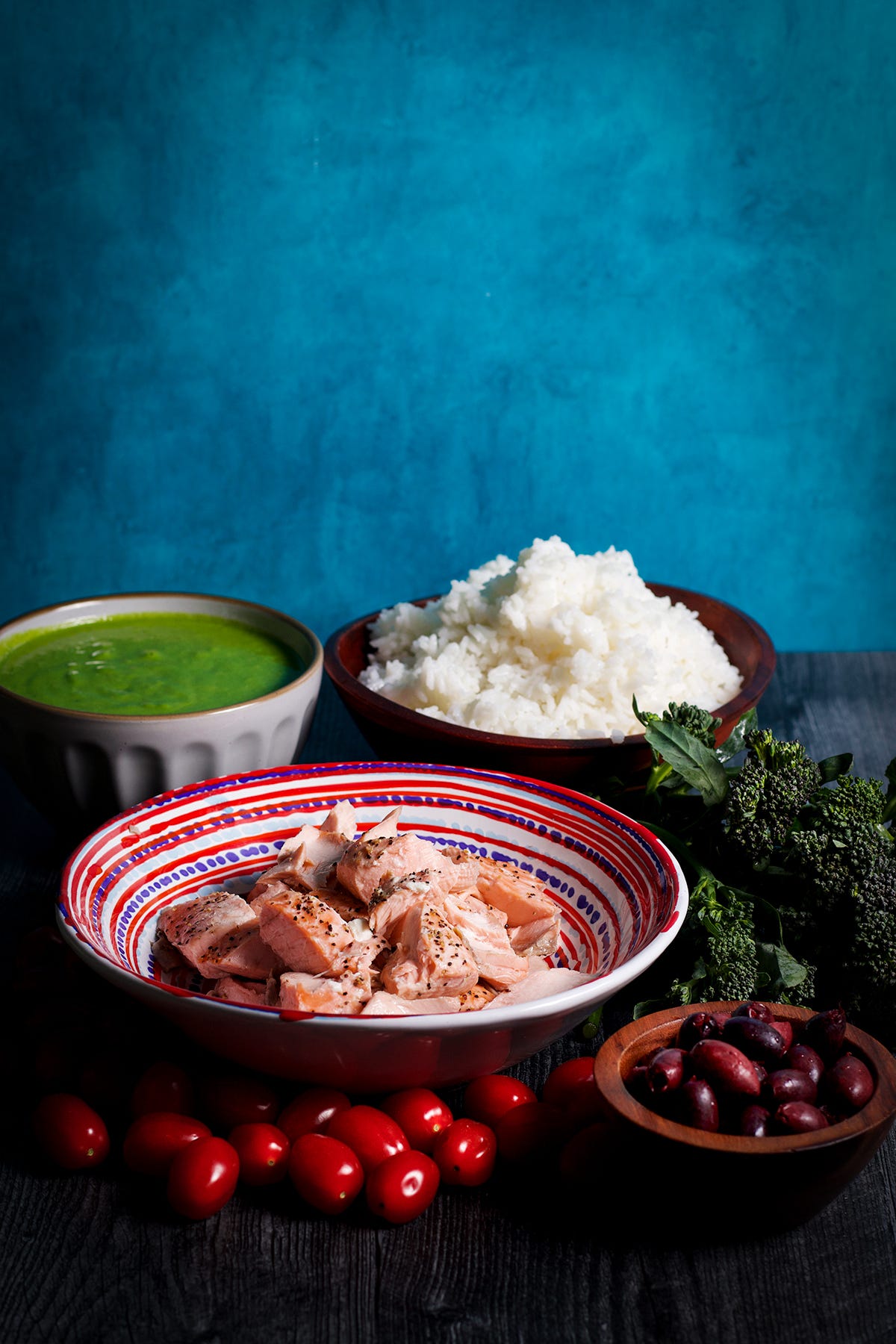
The rice: Use any kind of rice you like, but be mindful that different varieties require different cooking times. White rice cooks relatively quickly, in about 20 minutes. Brown and wild rice can take 45 minutes to an hour or longer. If using white rice, it’s a good idea to rinse it first: put the rice in a fine mesh strainer and rinse it under cold water until the water runs clear. This rinses off excess starch for fluffier, less sticky cooked rice.
The veggies: The kind of veggies you use is up to you! Choose one or a couple of these options: Asparagus, Broccoli, Broccolini, Broccoli rabe, Baby Carrots OR Large Peeled Carrots, Cauliflower, Fresh of frozen corn, and Fresh or frozen green beans. Salmon bowls are also a great way to use up leftover veggies!
The salmon: This recipe includes instructions for poaching salmon but check out the Recipe Notes for my favorite roasted salmon recipe. Both methods rely on slow and gentle cooking to produce tender, flaky salmon that’s moist and flavorful.
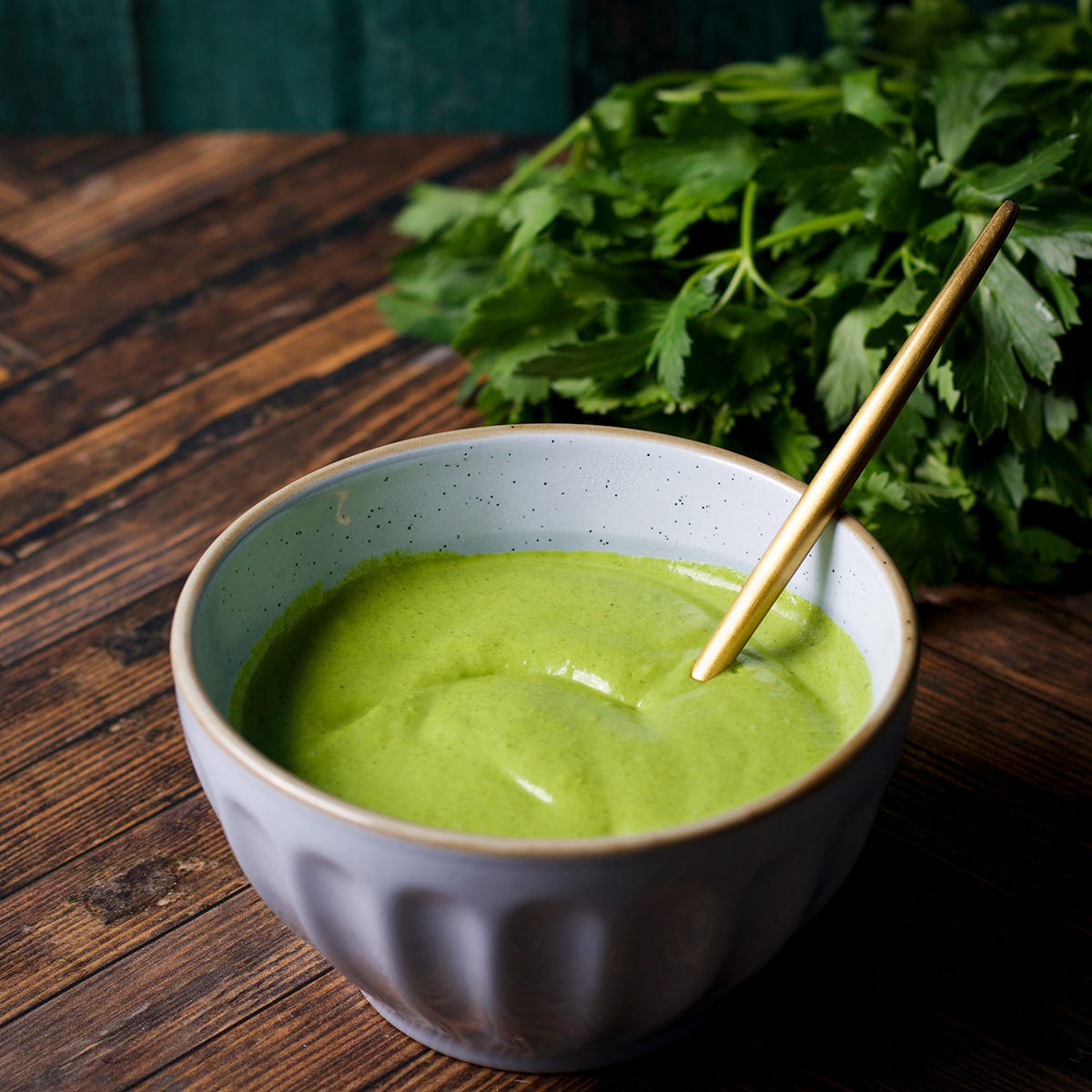
The sauce: This recipe uses Aji Sauce (Peruvian Green Sauce), which is a bright green, slightly spicy, creamy herb sauce that’s made in the blender. But scroll down to the Recipe Notes section for Asian gingery sauce which is another great option!
This is one of those meals that can easily be scaled up for a crowd. The recipe makes enough for two main dish servings. If you’re cooking for more people, simply increase the amount of rice, salmon, and veggies.
*NOTE: The recipe below will give you about a cup and a half of Aji sauce, which is more than you’ll need for two people. If you’re cooking for more than two, there’s no need to increase the amount of sauce.

Saucy Salmon and Rice Bowls
- 2/3 cup dry rice, any variety
- salt and pepper
- 2 lemons, limes, or oranges - or a combination of any of these (if the fruit is small, you may need to use 3)
- 1 medium to large size shallot, peeled and roughly chopped
- 1/2 cup dry white wine or dry vermouth
- 1/2 cup water, more if necessary
- 2 Salmon fillets that are about 1-inch thick, each weighing between 8-12 ounces, skin off
- 5 tablespoons extra virgin olive oil
- 1/2 cup mayo
- 3 ounces (about 1 heaping cup) grated parmesan or cotija cheese
- 1 jalapeño pepper (or any kind of hot pepper), stem and seed removed
- 1 1/2 cups fresh cilantro and/ or parsley - use a combination of the two or just one or the other
- 3 cloves of garlic (more if you’re a garlic lover!)
- 1 tablespoon fresh lime juice, more if desired
- 2 tablespoons water, more if needed
- 2 cups veggies; Use one of these options or a combination: asparagus, Broccoli florets, broccoli rabe, broccolini, carrots, cauliflower florets, fresh or frozen corn, fresh or frozen green beans
- 1 cup chopped tomatoes (I usually use cherry tomatoes that I've cut in half)
- 1 cup Kalamata olives, cut in half (optional)
- Step 1Cook the rice according to the package instructions, seasoning it with some salt if you wish.
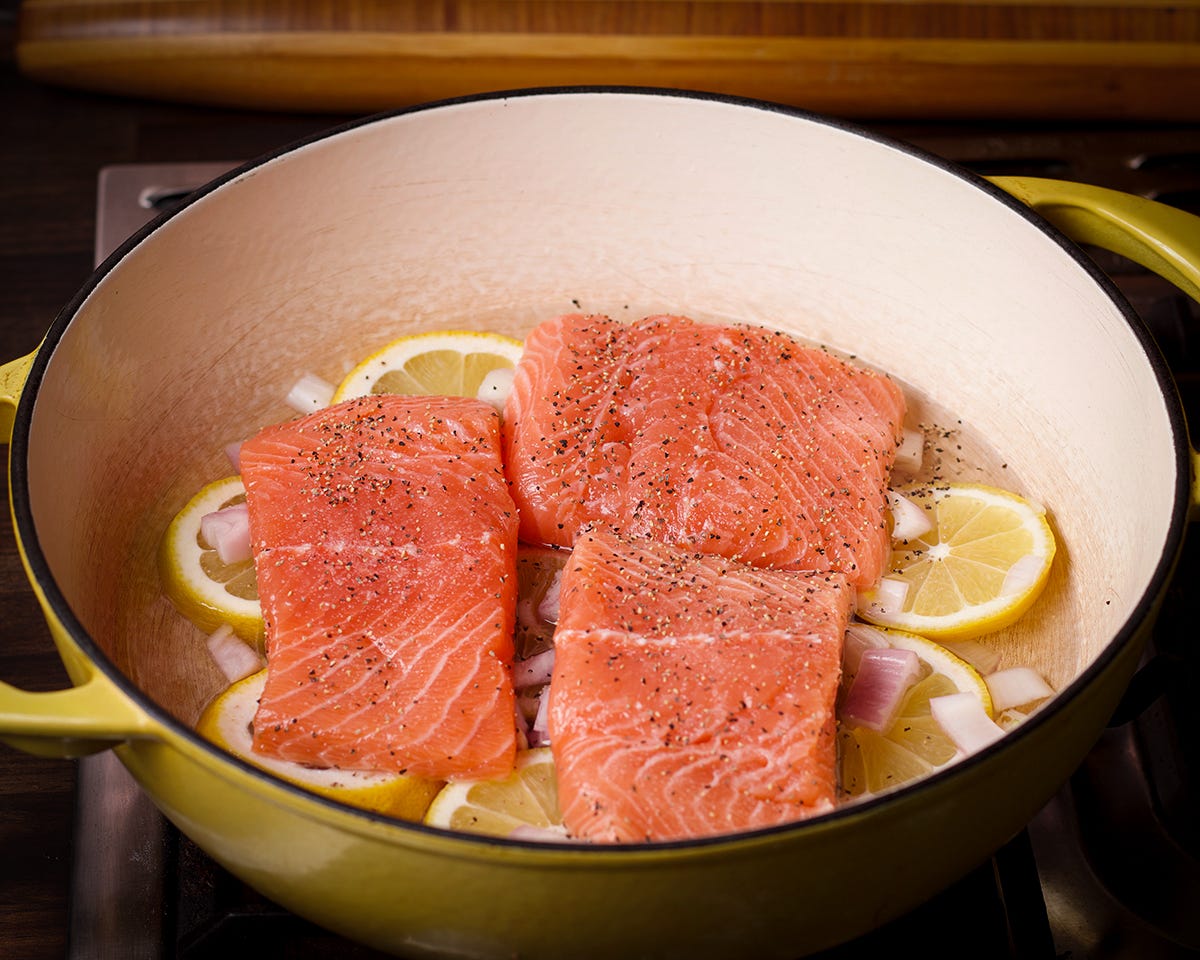
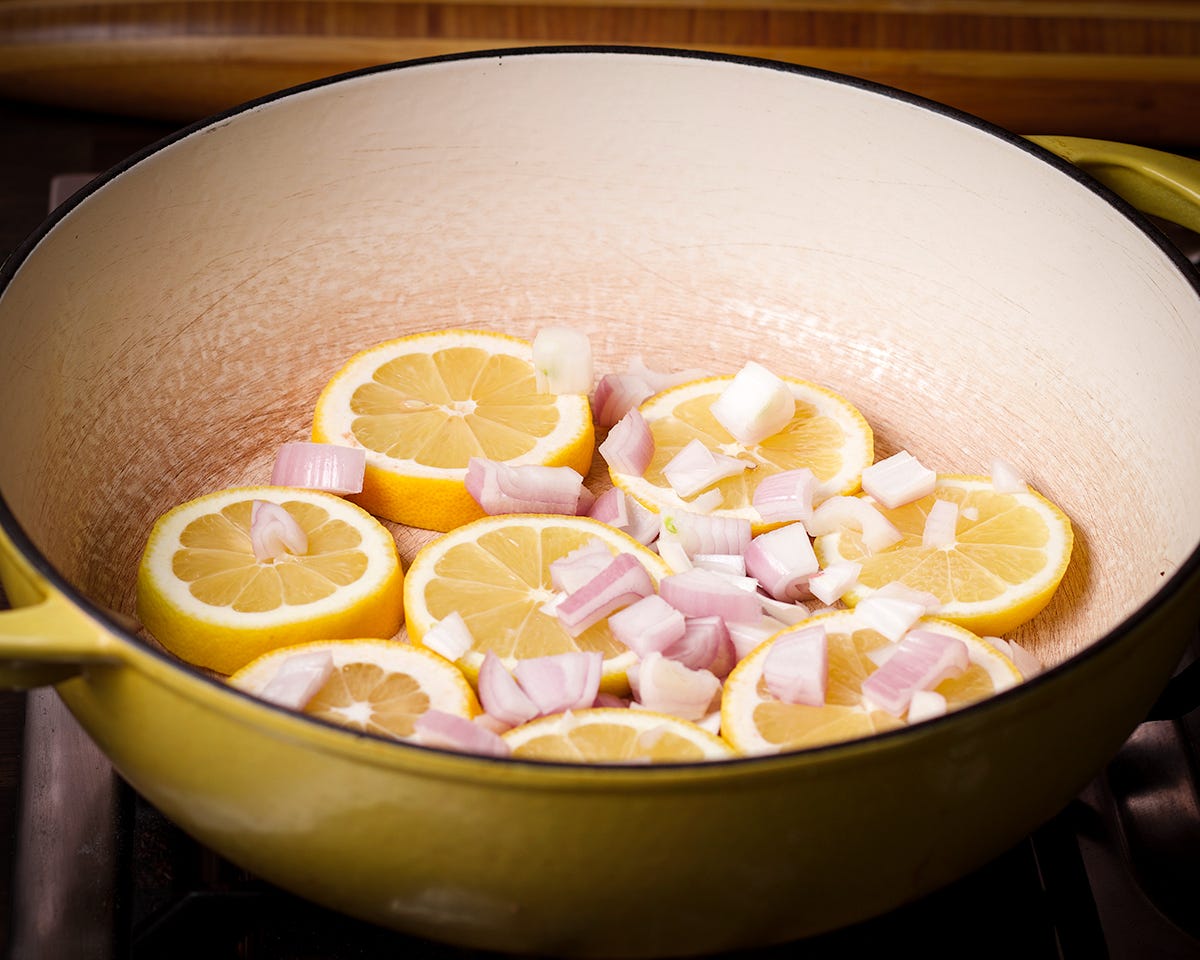
- Step 2Poach the salmon: Slice the fruit into rounds that are about 1/2-inch thick and lay them across the bottom of a 12-inch skillet or cast iron braiser (It’s important to use a pan with a lid). Sprinkle the chopped shallot over the lemon slices. Pour in 1/2 cup of dry white wine (or dry vermouth) and 1/2 cup of tap water. The water should come to the top lemon slices without covering them; if it doesn't add a bit more. Sprinkle the salmon with salt and pepper and lay it, skinned side down, across the top of the lemons. Set the pan over medium high heat and bring the liquid to a boil. Cover the pan with a lid, reduce heat to low, and maintain a gentle simmer until the thickest part of the salmon registers 125 degrees - 11 to 16 minutes. (See recipe notes below for more information about how to know when salmon is done cooking.)
- Step 3Remove the skillet from the heat, gently lift the salmon out of the pan and set it on a paper towel lined plate. Let the salmon cool for a few minutes until it’s just slightly warm.
- Step 4Make the Aji Sauce: Add the olive oil, mayo, cheese, jalapeno, fresh herbs, garlic, lime juice, water, and 1/2 teaspoon each salt and ground black pepper to a high powered blender and blend on medium speed until smooth and creamy. The herbs can get tangled around the blades, so stop and use a spatula to move everything around if you need to. Taste and add more salt or lime juice if desired. If the sauce is thicker than you would like it to be, thin it out with some additional water. (*Can be made up to 3 days in advance; store in a covered container in the refrigerator.)
- Step 5Cook the veggies: Fill a saucepan with enough water to comfortably cover the veggies with room for them to swim around. Add enough salt to make the water taste quite salty. Set the pan over high heat. If necessary, chop the veggies into pieces that are all roughly the same size. When the water is boiling, add the vegetables. Cook until they reach the desired level of doneness. I like mine just barely cooked, softer than raw, but still with plenty of crunch, so I only cook them for a couple of minutes. If you prefer yours to be softer, cook them longer. Drain in a colander set inside the sink. If you've salted the water, they'll need no additional seasoning.
- Step 6Assemble the bowls: Divide the rice between two bowls and top with the chopped tomatoes and olives (if using). Divide the cooked veggies between the bowls. Use your fingers to break the salmon into pieces and add it to the bowls. Drizzle with some of the Aji sauce and dig in.
Recipe notes
For extra flavorful rice, use vegetable broth instead of water. I like to use Better Than Bouillon Vegetable Base mixed with water. If the broth you use is seasoned, you’ll likely want to omit the salt.
Consider poaching extra salmon just for the leftovers. It takes no more time to poach 4 salmon fillets than 2 and the leftover meat can be used in another dish later in the week, like this recipe for poached salmon salad.
The easiest way to know when salmon is done cooking is to gently press down on the surface of the fish with a fork. If the salmon flakes, separating easily along the white lines running through the fish, it’s finished cooking. Once it’s reached this point, remove salmon from the pan immediately to avoid overcooking.
These salmon bowls are endlessly versatile. They are a great way to use up leftover veggies. To add some crunch, sprinkle on some chopped roasted nuts or french fried onions. If you’d like, opt for some roasted salmon instead of poached. This recipe from Betty Williams is my favorite: Slow Roasted Salmon.
Instead of Aji sauce, try this Asian Gingery Sauce recipe from Betty Williams. Add all of the following ingredients to a jar with a screw top lid: ½ cup cider vinegar, ½ cup molasses, ⅓ cup canola oil, 1 tablespoon soy sauce, 2 tablespoons minced fresh ginger, 1 tablespoon minced fresh garlic, 2 chopped green onions (chop the white and light green parts only). Shake vigorously until well combined.
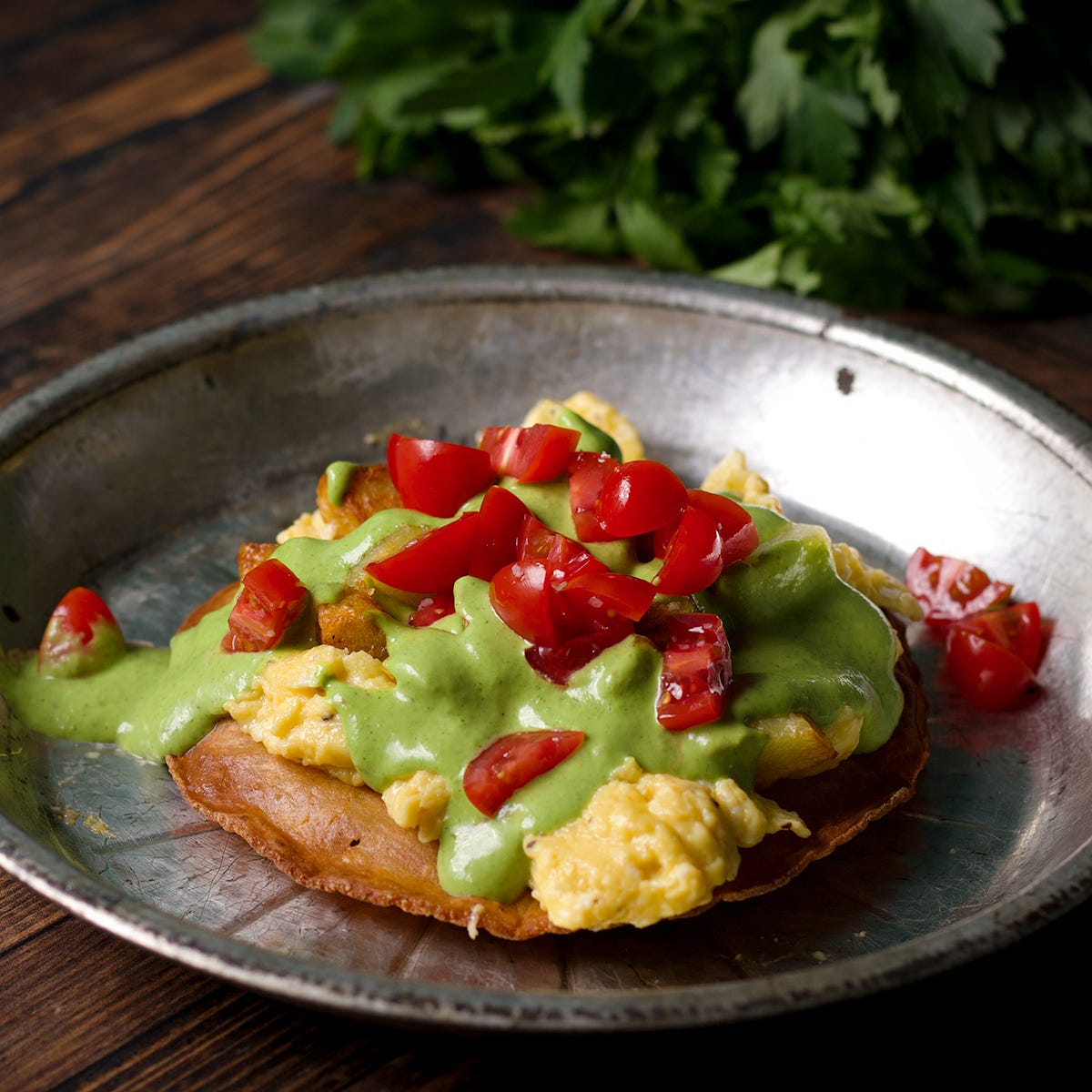
How to use leftover Aji Sauce: This sauce is delicious on so many things. Try it over beef, chicken, pork, fish, pasta salad, sandwiches, eggs, and absolutely any kind of vegetable. But, besides these salmon bowls, my favorite way to eat Aji sauce is over breakfast tostadas with scrambled eggs, country fried potatoes, and some chopped tomatoes.
Recommended equipment:
My 3.8 quart enameled cast iron braiser is the hardest working pan in my kitchen. It’s visible in photos of so many of my recipes, including this one, because I really do use it for almost everything. Unless I’m making food for a crowd, it’s the perfect size for nearly everything I make. Braisers come in a variety of sizes, but I’ve found that 3.6 quarts or larger are the most useful and versatile.
A few more recipes for seafood lovers


Adobo Fish Tacos: These vibrant, flavorful fish tacos include flaky white fish cooked in a delicious red-chili-based Mexican adobo sauce and topped with citrus fruit, salsa verde, and crispy fried onions. Every bite is a riot of flavors in the best possible way.
Light and Crispy Beer Battered Fried Fish: This Crispy Beer Battered Fried Fish is light, flaky and packed with fresh flavor. Serve with tartar sauce, cabbage slaw, and French fries for delicious fish and chips at home.
Weeknight Sushi Bowls: This is how to enjoy delicious sushi at home in about 30 minutes. Perfectly seasoned bowls of sushi rice topped with fresh veggies, chives, avocado, sesame seeds and wild caught tuna fillets. Add even more sushi flavor with spicy, creamy sushi sauce or wasabi soy sauce.

Welcome to Let’s Get Lost! I’m Rebecca, a recipe developer, food photographer, passionate people watcher, and chaser of new experiences. You might know me from my recipe websites, Of Batter and Dough and A Little and A Lot.
My husband and I are nomads without a home base but with many modes of transportation, namely an RV, a motorcycle, and a sailboat. I write recipes and stories for curious people who believe experiences are more important than things and who want more adventure. Find out more.
I love this type of meal. Everyone gets to pick what they want in their bowl and it's a nice way to get a lot of variety in. And, I completely agree that somehow this type of meal feels more healthy than other ones. We had this yesterday but instead of salmon, we had ground beef, roasted sweet potatoes, blanched carrot and broccoli, sauteed cabbage, chickpeas and then a creamy savory sauce that i just threw together and preserved lemon harissa.
Absolutely beautiful Salmon Bowl!!!