



The Renovation Issue: Before and after photos
Plus the replay of our cook-along, an invitation to make tortillas with me, and 5 NEW recipes!

❤️ Did you know that if you hit the heart or recycle symbol at the top or bottom of this post, it makes it easier for other people to find this newsletter?
Earlier this week
and I prepared cocktails and enchiladas together in our first Substack Live video and it was so much fun! THANK YOU from the bottom of my heart to all of you who tuned in to watch or cook along. ❤️For all of you who missed it, here’s where you’ll find the replay…

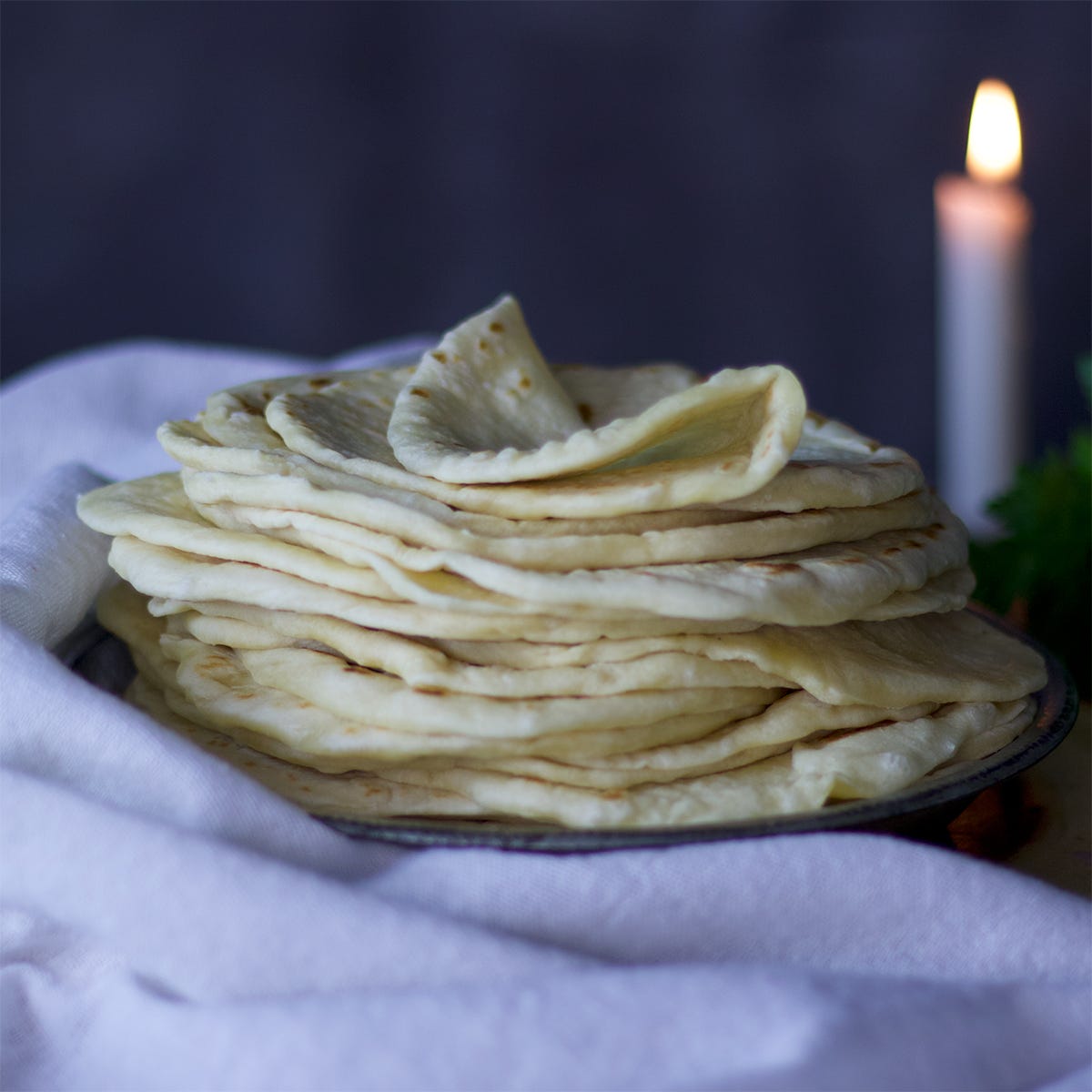
Join me next week to make homemade flour tortillas!
While making enchiladas with Jenn, the subject of tortillas came up (obviously) and I mentioned that homemade flour tortillas are shockingly better than anything you can purchase in the store. Since then, I’ve received several inquiries about how to make them so… join me next week for Homemade Tortilla class!
What: Homemade tortillas class
When: Thursday, April 24 at 6pm Central (CST)
Follow this link to join me Live: https://open.substack.com/live-stream/23401
If you want to cook along, here’s the recipe:

As always, the replay will be available later for anyone who isn’t able to join me live.
One RVs history of constant renovations

Since moving into our RV to become full time nomads in May of 2020, our rig has gone through a lot of iterations. We bought our 5th wheel brand new and then started changing everything about it almost immediately.
Even though we live in an RV, we didn’t want to feel like we were living in an RV. It is, after all, our home. This has been a process of trial and error… If these walls could talk, they’d tell you that they wear quite a few layers of paint. 😂
But last month we took on some of the most extensive renovations to date - we ripped out and replaced the floors, rebuilt and changed the placement of our kitchen table, and put in butcher block countertops.
In the process, we repaired and replaced some of the rig’s subfloor, made repairs and improvements to the plumbing, rewired the electrical in the wall separating the living area from the office (and rebuilt the wall), and completed what felt like a hundred other projects in the span of a couple of weeks.
And I need to just stop right there and say that every time I say we, what I really mean is Steve, who did aaaalllll the heavy lifting.
I might have my uses, but power tools, plumbing, electrical, carpentry, and all things mechanical, are not among them. Not only do I not know how to repair our pluming issues or replace the subfloor or operate a table saw, I don’t want to know.
And look. I love learning new things and taking on new challenges. But during the weeks of renovations, I had the constant feeling of being a fish who has just been asked to sprout legs and hike up Everest.
At one point Steve said, you could go set up the table saw and start making cuts to the butcher block, and he might as well have asked me to build a rocket ship to Mars.
These are not talents I posses.
Luckily for me, Steve is a rockstar at all of it. I’m not sure there’s anything he can’t fix or any tool he can’t master. I hovered around and helped where I could and handed him tools.
Not that I didn’t also work my ass off. I just wasn’t in charge of this particular rodeo. I was the support staff. And the support staff works hard too.
So, are we done? Nope. This weekend, while you are reading this, we are (hopefully!!!) finally finishing up the last bits of this project… adding trim and finishing up the painting and finally completing the floor on the stairs and little hallway to our bedroom. Details, details, details.
But, here are some before and after photos that show what our RV looked like when we move in 5 years ago and what it looks like now.
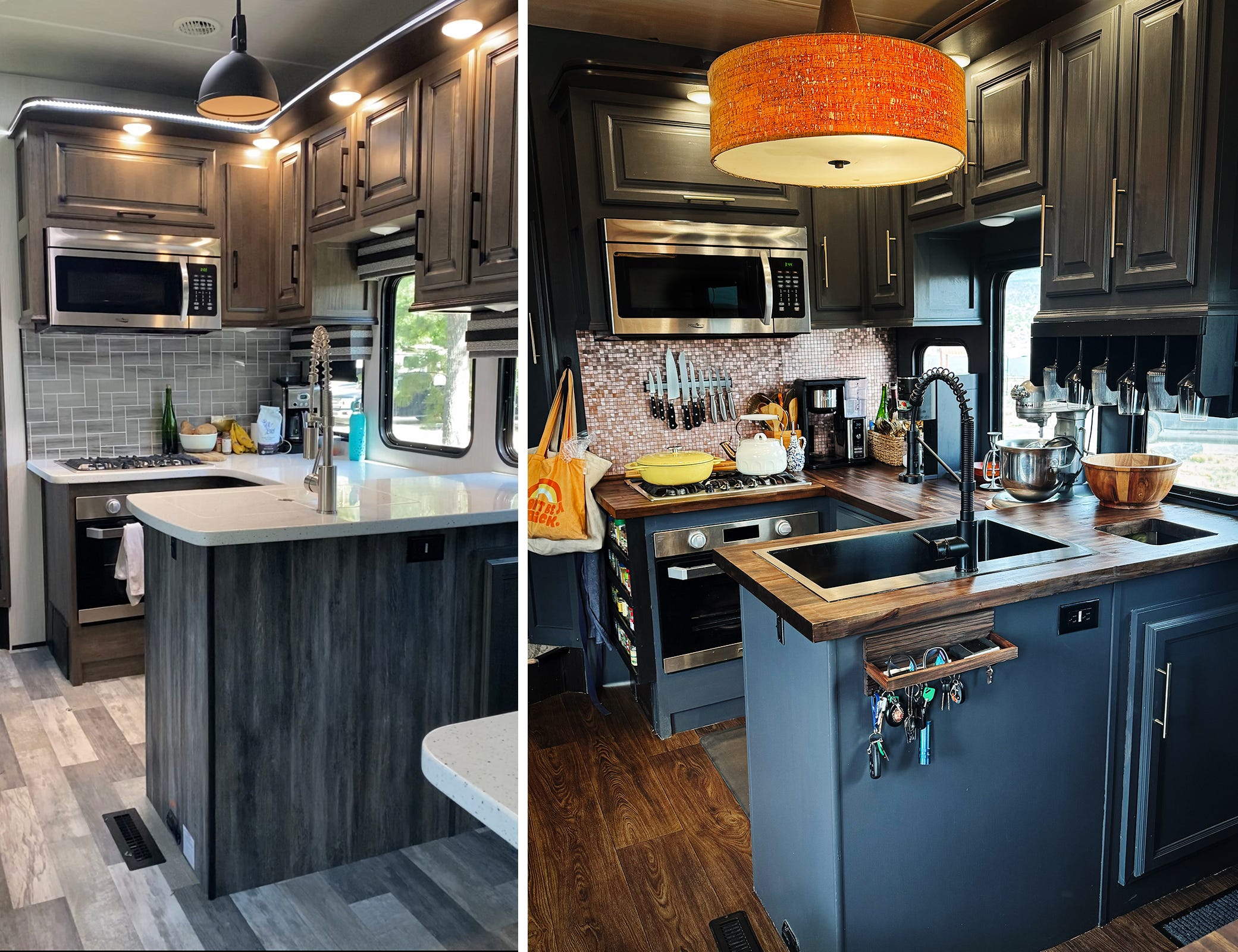
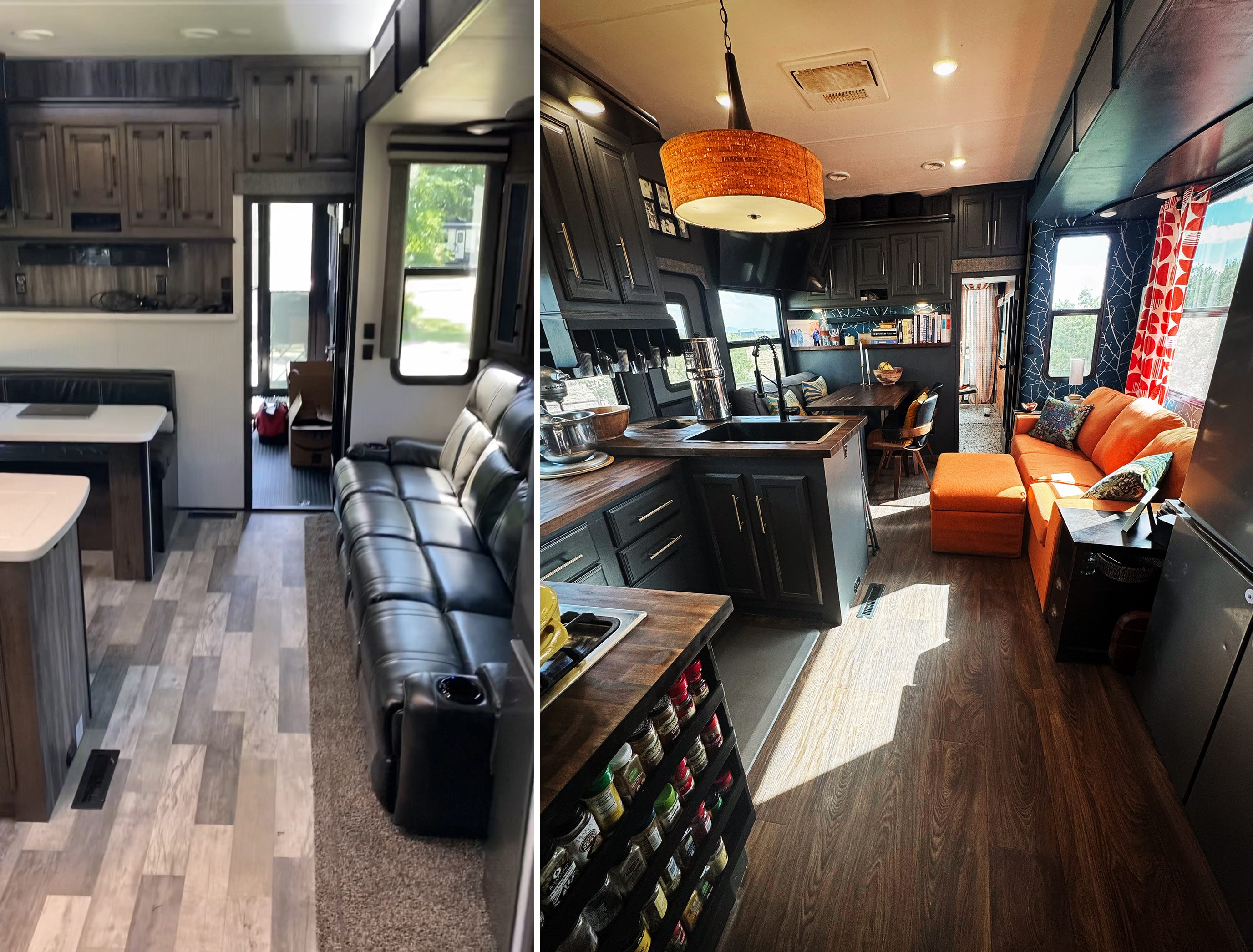
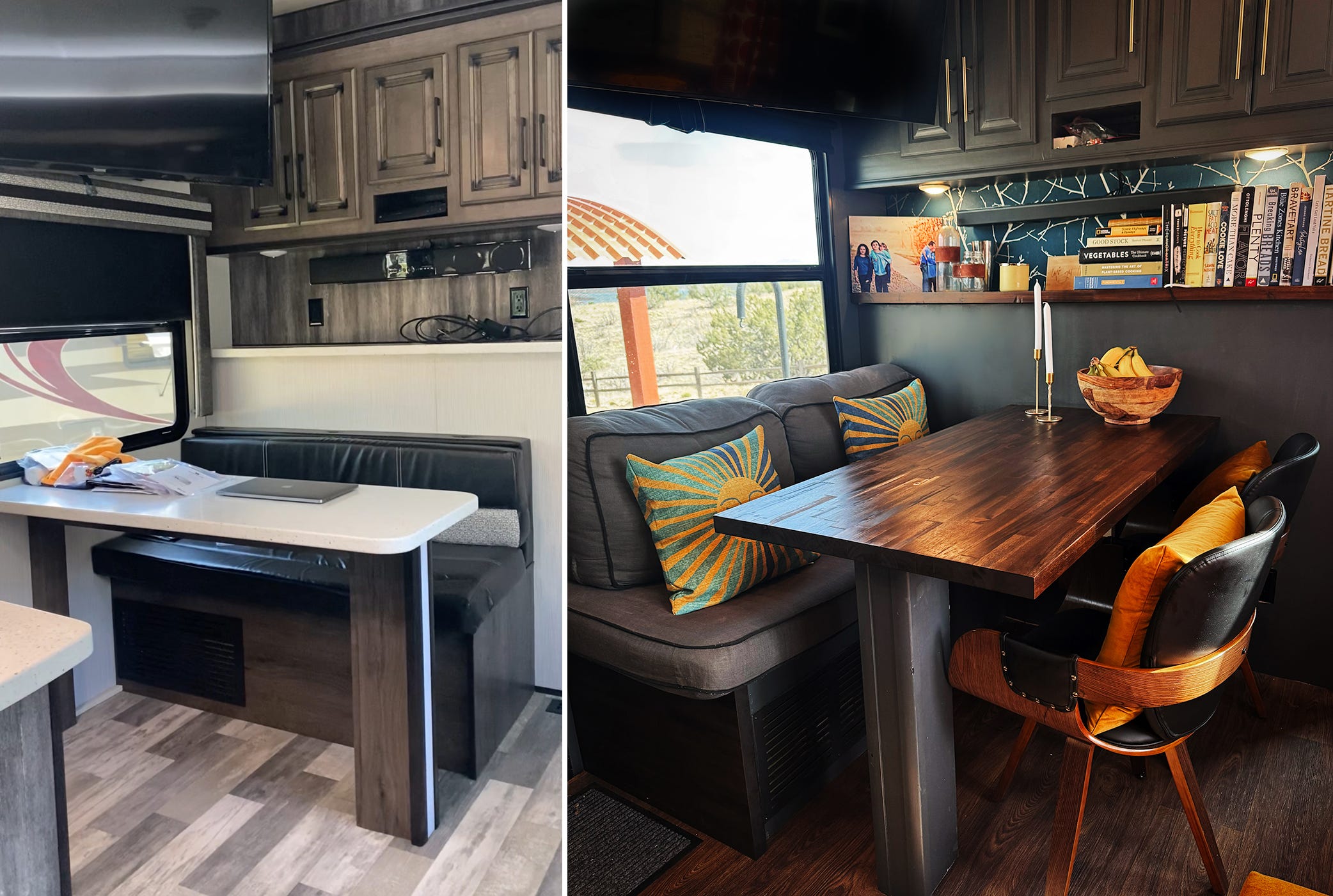
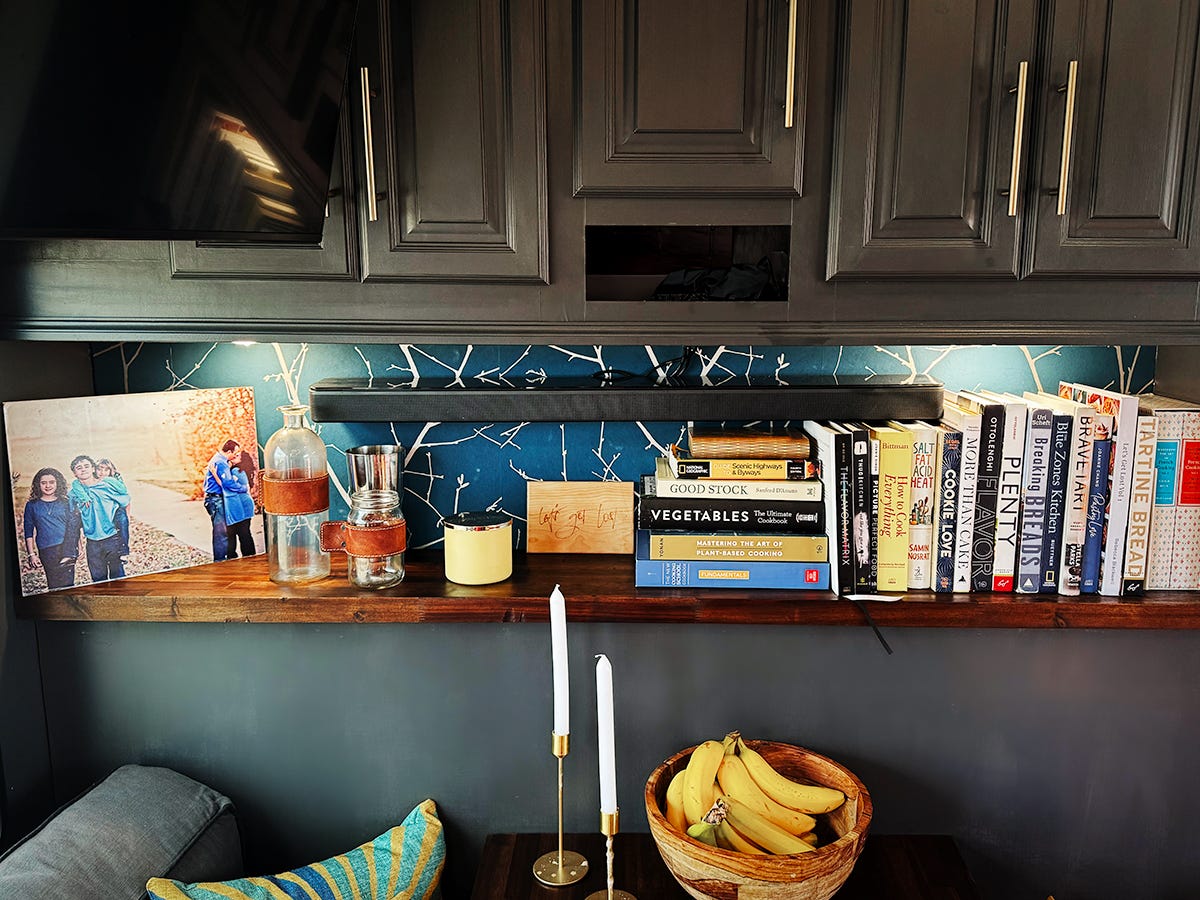
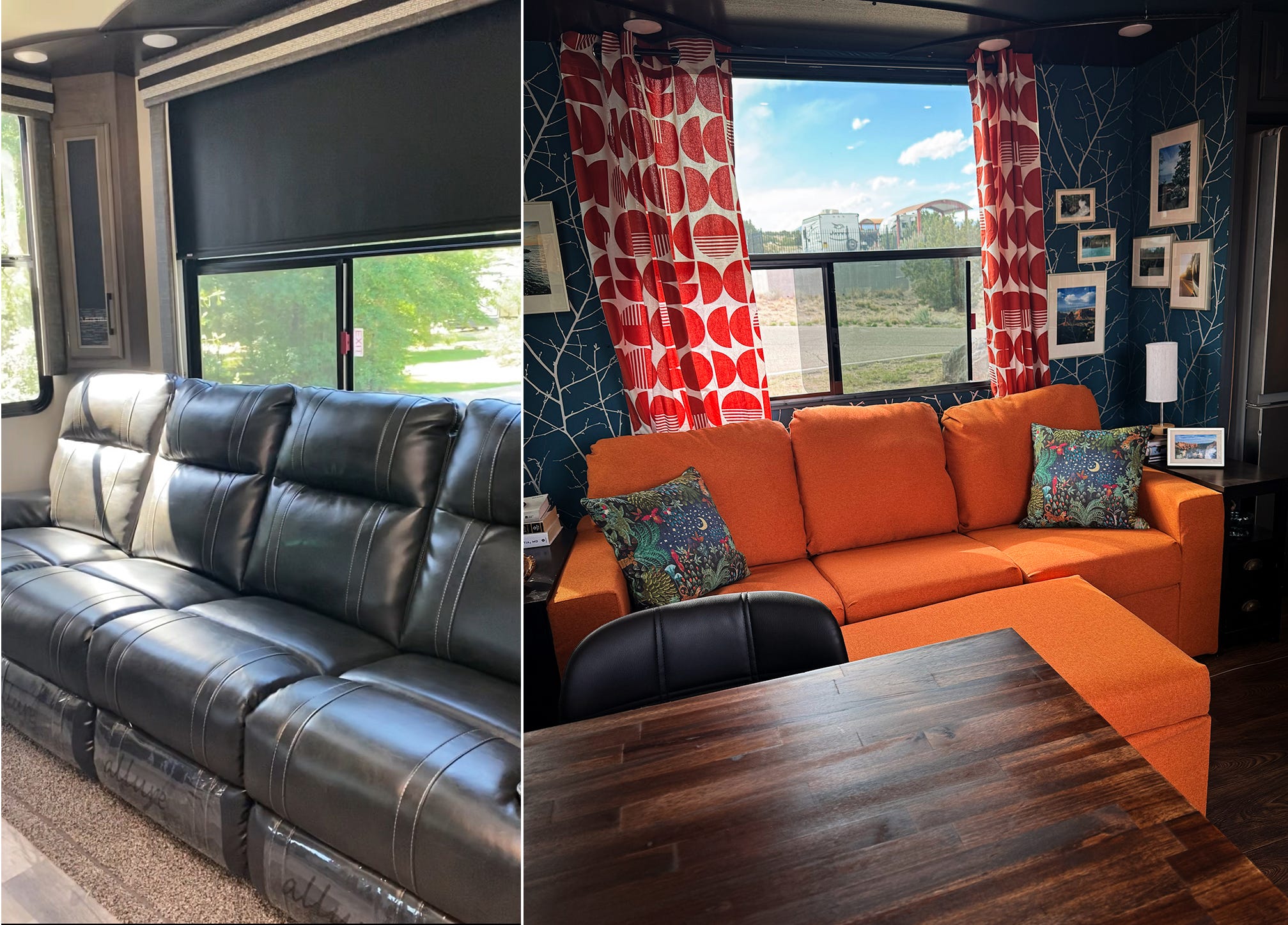
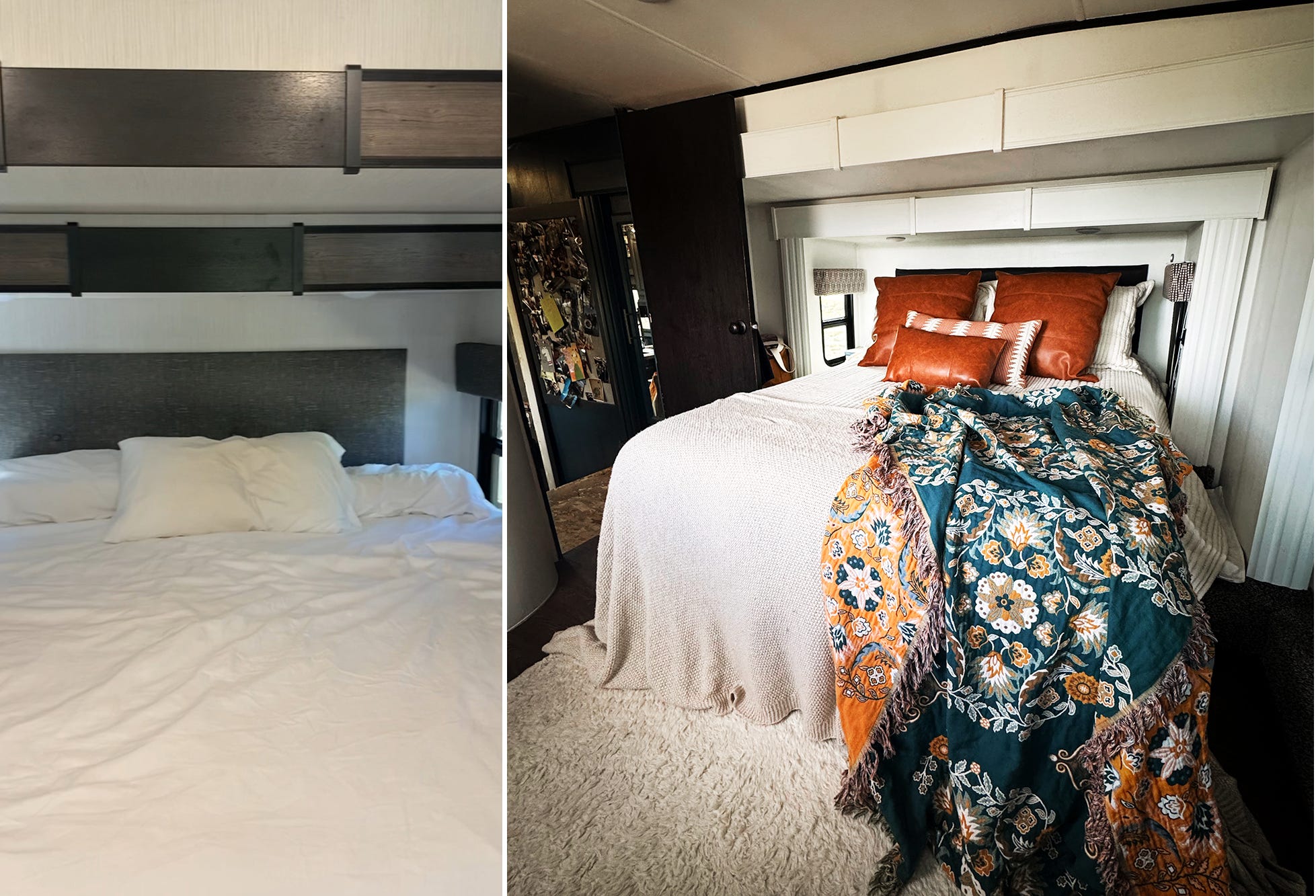
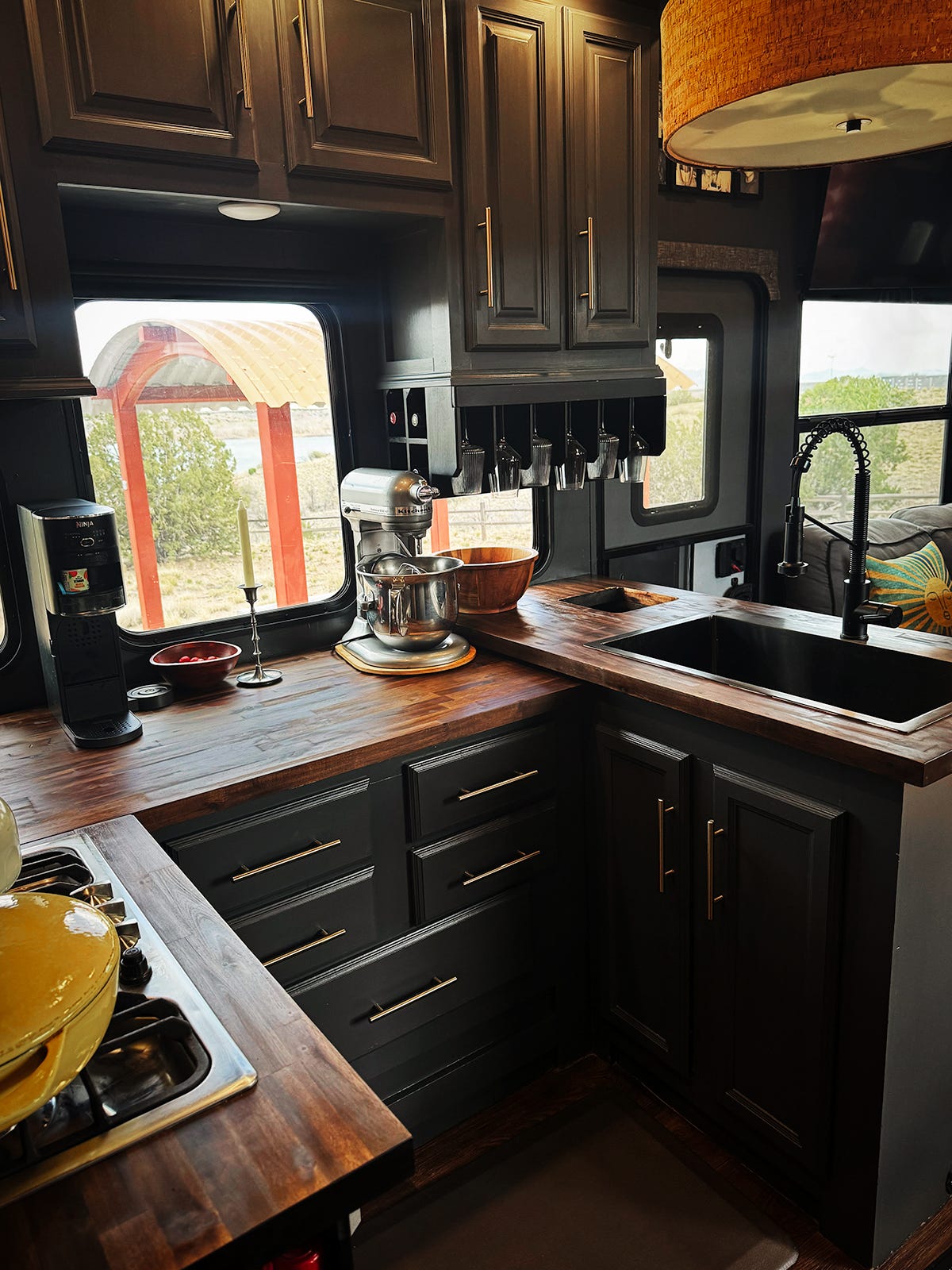
Thanks for spending some time in our home on wheels! Here’s what you’ll find in the rest of this issue:
Most of the recipes in this week’s issue are from our time in Louisiana.
New Recipes: Apple upside down cake, Chicken and sausage gumbo, and Sweet potato soup with Andouille sausage.


For Lost Supper Club Members (paid subscribers): A tried-and-true Louisiana family recipe for Jambalaya and a recipe for Cajun Anasazi beans with smoked sausage. You’ll also find printable recipe cards for every recipe in this issue.



Apple Upside Down Cake
I know it’s not technically apple season but it’s pretty easy to get good apples all year long, so perhaps all year is apple season? This made me wonder why apples are available year-round, so I did a little googling and here’s what I found: After apples are harvested they are stored in controlled atmosphere storage which lowers the oxygen in the room to about 1.5 to 2.5 percent and adjusts the carbon dioxide, essentially putting the apples to sleep.
Fascinating.
Anyhoo, I’ve been working on this recipe for a while now and finally got it just the way I wanted: A thick layer of apples baked under soft cake flavored with cinnamon, cardamom, plenty of vanilla, and a hint of orange. The whole thing is drenched in an excessive amount of buttery caramel sauce, because in my opinion that gooey baked-on-the-bottom sauce is the best part.
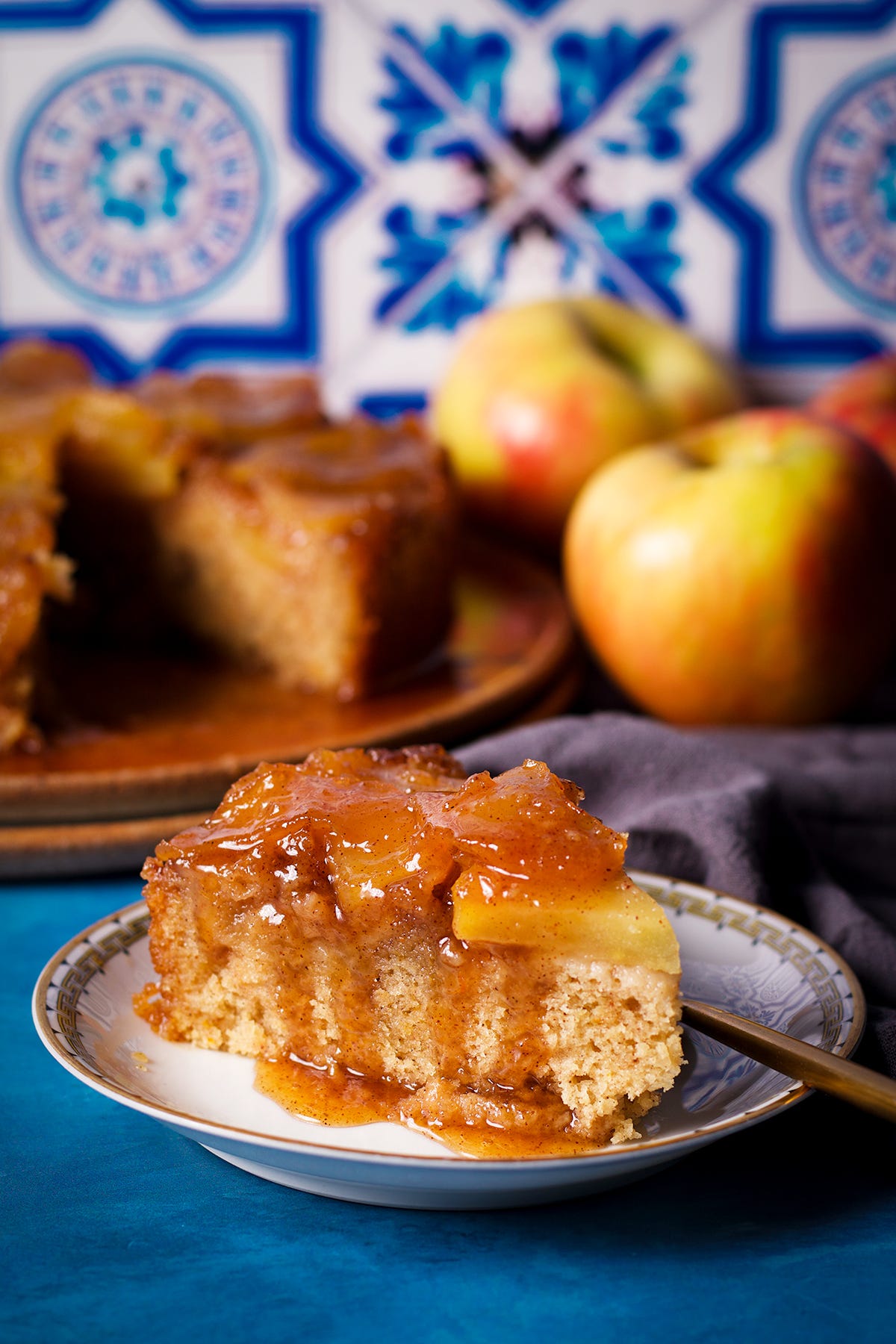
You could definitely use other kinds of fruit instead of the apples to make it more seasonal. Try it with apricots, plums, pears, peaches, or the classic pineapple. A great option during cherry season is sweet cherries - pit the cherries and slice them in half before layering them into the pan over the caramel glaze.
Here’s where to find the recipe: Apple Upside Down Cake
Chicken and sausage gumbo
The day before we left Louisiana, our friends Jack and Marsha took us to a local cafe for lunch. Lula Pearl in Ruston, LA, is a warm and welcoming place serving breakfast, lunch, and brunch. The restaurant features an ever changing menu that’s built around local ingredients and Gumbo was one of the specials on the day we visited. That’s what I ordered and it was every bit as delicious as I’d hoped.
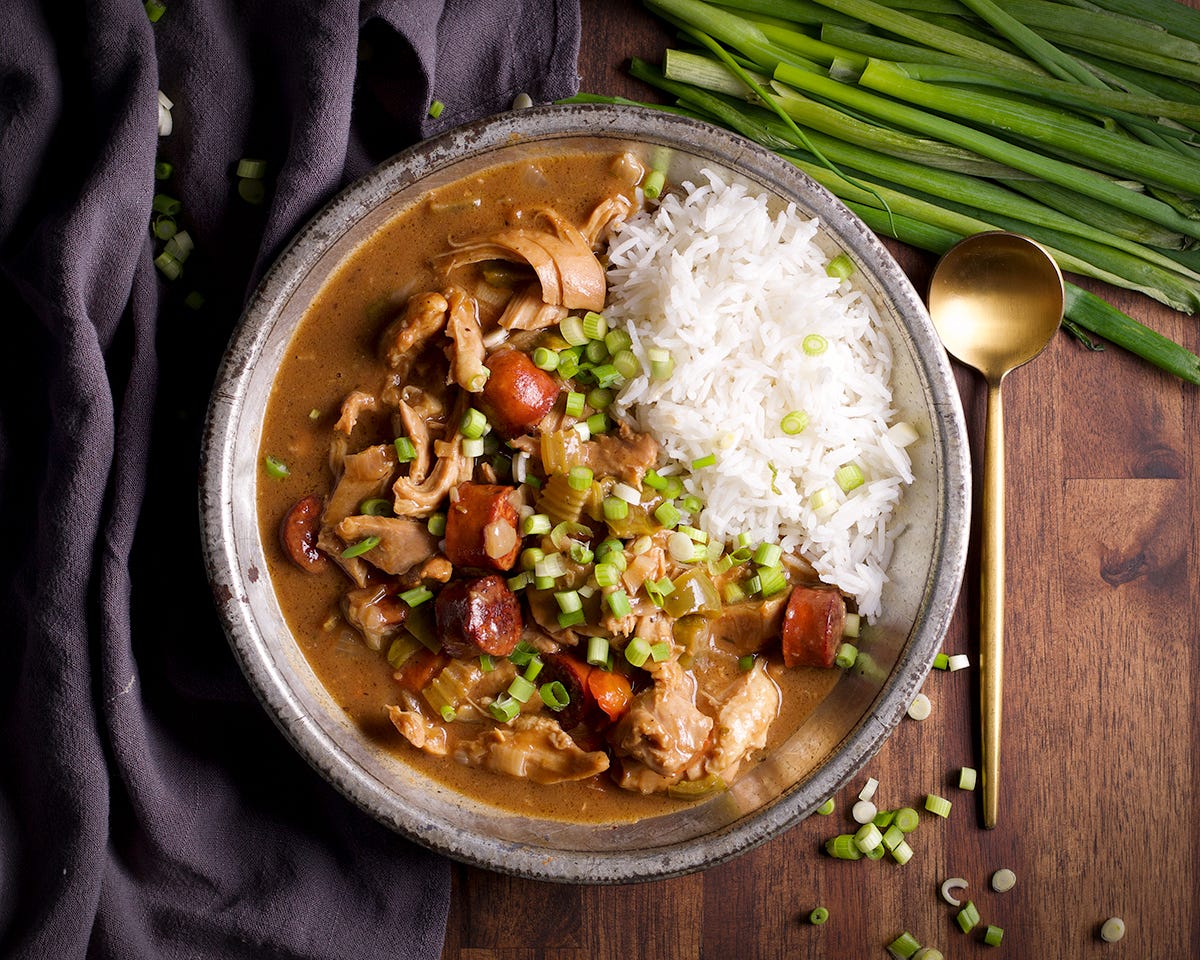
Gumbo just might be the defining dish of Louisiana, but there seems to be no standard way of making it. Travel around the state and you’ll find it everywhere, but it will be different every time.
What follows is similar to the gumbo we ate in northern Louisiana. It starts with a dark roux, a combination of oil and flour that’s crucial to many of Louisiana’s most famous dishes, including gumbo and jambalaya.
You can purchase dark roux in grocery stores throughout the state, or order it on Amazon - my friend Marsha recommends this brand: Savoie’s roux. Or, you can make it yourself. Traditionally, roux requires standing at the stove and stirring for a looooong time, but I discovered a super easy way of making it in the oven. It turns out just as delicious but with considerably less hands on time. 👏

Serves: 6
Time: 1 ½ to 3 hours for the roux; 90 minutes to make the gumbo
Ingredients:
1/2 cup all purpose flour
1/3 cup + 1 tablespoon vegetable or canola oil
1 large yellow onion, diced
2 celery ribs, diced
1 green bell peppers, seeded and diced
1 red bell pepper, seeded and diced
4 large cloves of garlic, minced
2-4 teaspoons cajun or creole seasoning, to taste
1 teaspoon dried thyme leaves
3-4 cups chicken stock or Better Than Bouillon chicken base mixed with water
2 pounds boneless or 3 pounds bone-in chicken thighs
1 pound andouille sausage
1 tablespoon white wine vinegar, more to taste
Salt and pepper, to taste
Cooked white rice, for serving
Scallions (green onions), for serving
Hot sauce (optional), for serving
Instructions:
Make the roux: Preheat the oven to 350°F. Combine 1 cup flour and 1 cup oil in a dutch oven or braiser. Bake uncovered for 1 ½ to 3 hours, stirring every 30 minutes or so, or until the roux is a rich chocolate brown. The time it takes to reach a rich brown color can vary a lot based on things like the pot, oven, and elevation. So keep an eye on it and be patient if yours is taking a while.
Set the pan with the roux on the stovetop over medium-low heat. Add the onion, celery, and diced bell peppers. Cook, stirring frequently, until the vegetables have softened - about 5 minutes.
Add the garlic, cajun seasoning, and thyme and cook, stirring, for 1 minute longer.
Slowly pour 3 cups of the chicken stock into the roux, stirring constantly as you pour to prevent lumps. Add the chicken, nestling it down into the sauce. Turn the heat to high, bring the liquid to a boil, then reduce the heat to a gentle simmer, cover the pan, and cook until the chicken is cooked through.
Turn off the heat. Remove the chicken from the pan, set it on a plate, and let it rest until cool enough to handle.
In the meantime, add the remaining tablespoon of oil to a large skillet and set it over medium heat. Slice the sausage into pieces that are about 1-inch thick and add them to the hot oil. Cook the sausage, turning the slices as necessary, until the pieces are brown on both sides. Remove the pan from the heat.
Use a spoon to skim excess fat from the top of the sauce. There’s no need to try and get all of it, but as the sauce rests, you’ll notice a layer of clear fat that has risen to the top. Skimming some of this off will keep the gumbo from tasting greasy.
Shred the chicken and add it back to the pan along with the sausage. Bring the liquid back to a simmer and cook, uncovered, for another 10-15 minutes. If you prefer a soupier gumbo, add more chicken broth. If you like it on the thick side, the extra cup is unnecessary.
Stir in 1 tablespoon vinegar and then taste for seasoning. If the broth and cajun seasoning you used have a lot of salt, it’s very possible the gumbo will not need any additional seasoning. Add salt, pepper, and more vinegar to taste.
Serve with hot cooked white rice, sliced scallions, and hot sauce.
Sweet potato and andouille soup
Louisiana is a major producer of sweet potatoes, supplying about 20% of all the sweet potatoes consumed in the U.S.
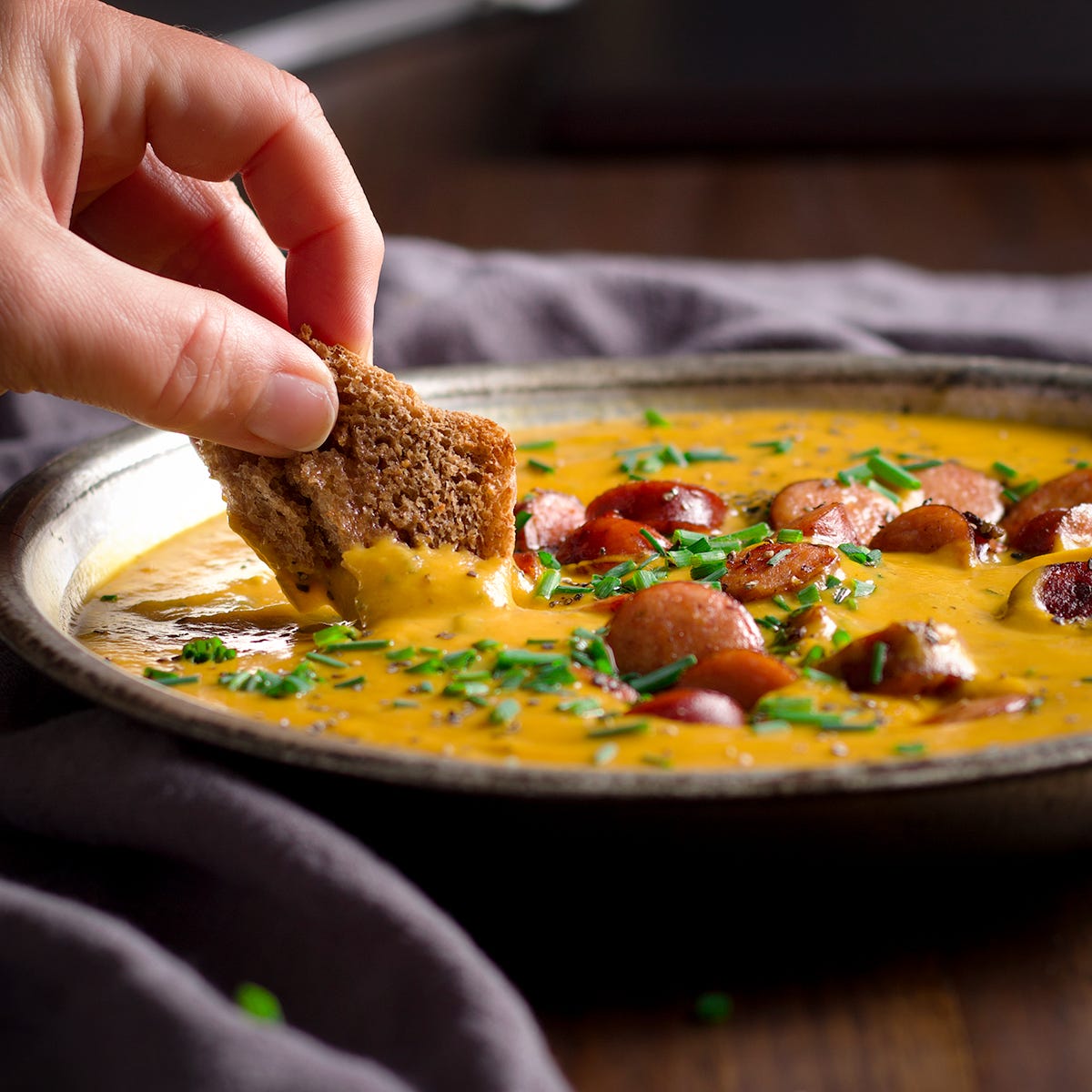
So, it’s no surprise that you’ll find them on the menu in most Louisiana restaurants. This creamy soup begins by roasting sweet potatoes, which concentrates their flavor and gives the soup a caramelized layer that is pure magic with the savory, spicy chunks of andouille sausage.

Serves: 4-6
Total time: 90 minutes
Ingredients:
3 tablespoons vegetable or canola oil
2 - 2 1/2 pounds sweet potatoes
Salt and ground black pepper
1 pound smoked andouille sausage
1 medium yellow onion
2 celery ribs
4 cloves of garlic
1/4 teaspoon cayenne pepper
1 teaspoon dried thyme leaves
1 quart chicken broth, or Better Than Bouillon Chicken Base mixed with water
1/2 cup heavy cream
1 tablespoon lemon juice, more to taste
1/2 cup chopped fresh Italian flat leaf parsley
1/4 cup chopped fresh chives
Instructions:
Heat the oven to 400 degrees F and line a rimmed baking sheet with parchment paper or aluminum foil.
Peel the sweet potatoes, cut them in half and then cut each half into wedges that are about 1-inch thick on the outside. There’s no need to be precise about this. Lay the wedges out on the baking sheet and drizzle them with 2 tablespoons of the oil. Use your fingers to rub the oil into each wedge so they are coated completely with oil. Sprinkle generously with salt and pepper and place the wedges in the oven. Roast for 30-40 minutes, until they are fork tender and the golden brown on the bottom; how long this takes will depend on the thickness of your wedges.
While the potatoes are roasting, cut the andouille sausage into pieces that are roughly ½ inch thick. Roughly chop the onion and celery into ½-inch pieces. Roughly chop each garlic clove into 3 or 4 pieces.
Add 1 tablespoon of oil to a large saucepan, dutch oven, or braiser and set it over medium heat. Add the sausage to the pan and cook, using tongs to flip the pieces over from time to time, until they are brown on both sides. Use a slotted spoon to remove the andouille to a paper towel-lined plate.
Reduce the heat to medium-low and add the onions and celery to the pan. Cook for about 4 minutes, until they are soft and the onions are looking a bit translucent. Add the garlic, cayenne, and thyme and cook stirring constantly, for another minute.
Pour in the chicken broth and add the roasted sweet potatoes. Bring to a boil then reduce the heat to maintain a gentle simmer and cook, uncovered, for 10 minutes.
Remove the soup from the heat and puree in a high powered blender or with an immersion blender. If pureeing in a blender, make sure to not overfill the jar and if the lid does not have steam vents, set the lid askew so the steam can escape.
Return the pureed soup to the pan and stir in the heavy cream and lemon juice. Taste and season with salt, pepper, and more lemon juice if desired. Stir in the parsley.
To serve, ladle the hot soup into bowls and top with several pieces of sausage, a spoonful of chopped chives and an additional sprinkle of black pepper.


The rest of this issue is for Supper Club members (paid subscribers). It includes:
Marsha’s Jambalaya: A mouthwatering family recipe straight from the kitchen of a Lost Supper Club member who is a Louisiana native.
Anasazi Beans with Smoked Sausage: Another homegrown Louisiana favorite! This “no recipe required” dish was inspired by a meal we had with friends in northern Louisiana. It’s hearty and nourishing, and packed with southern flavor.
Downloadable (and printable) pdf recipe cards for every recipe in this issue
Keep reading with a 7-day free trial
Subscribe to Let's Get Lost to keep reading this post and get 7 days of free access to the full post archives.